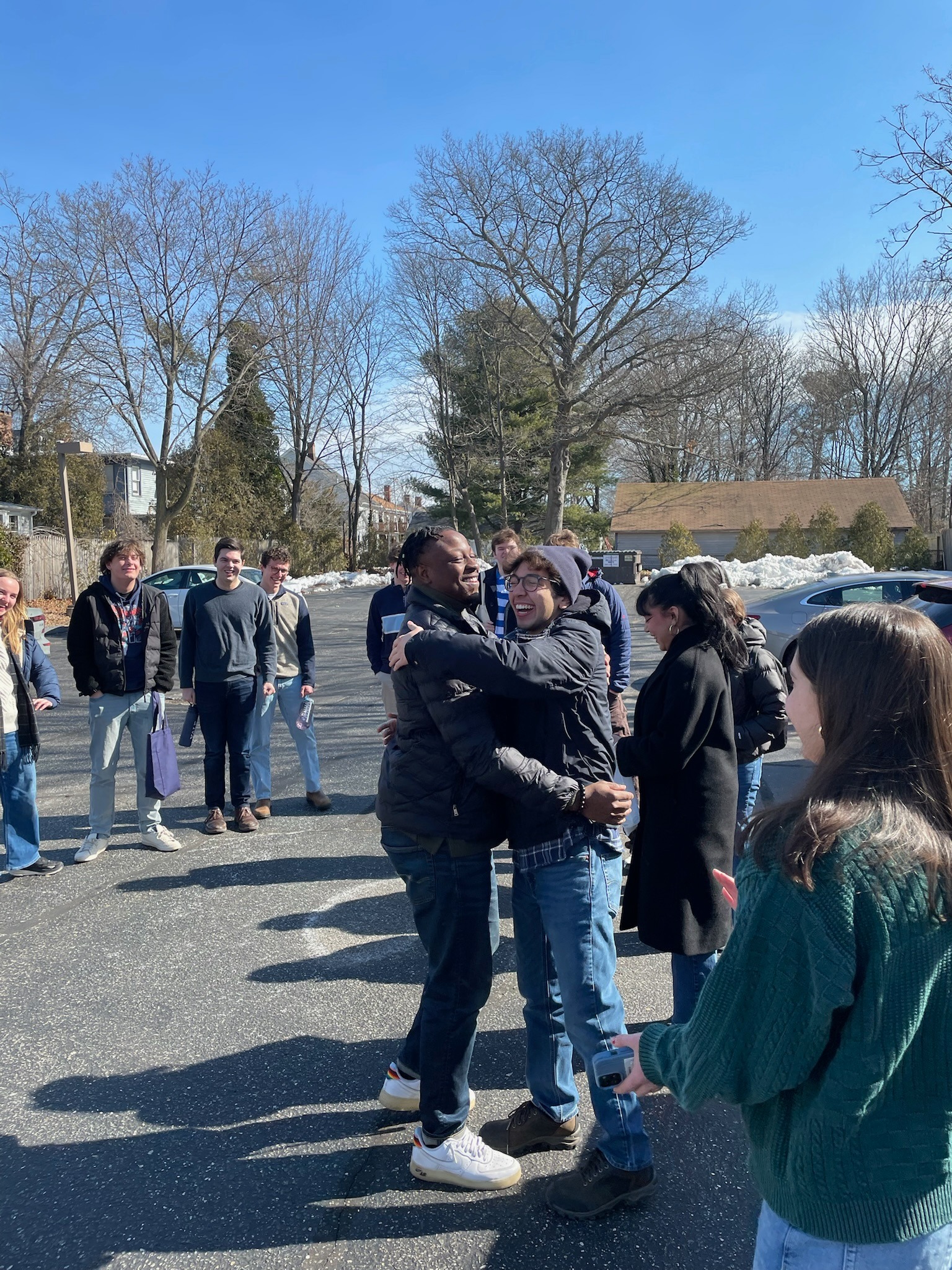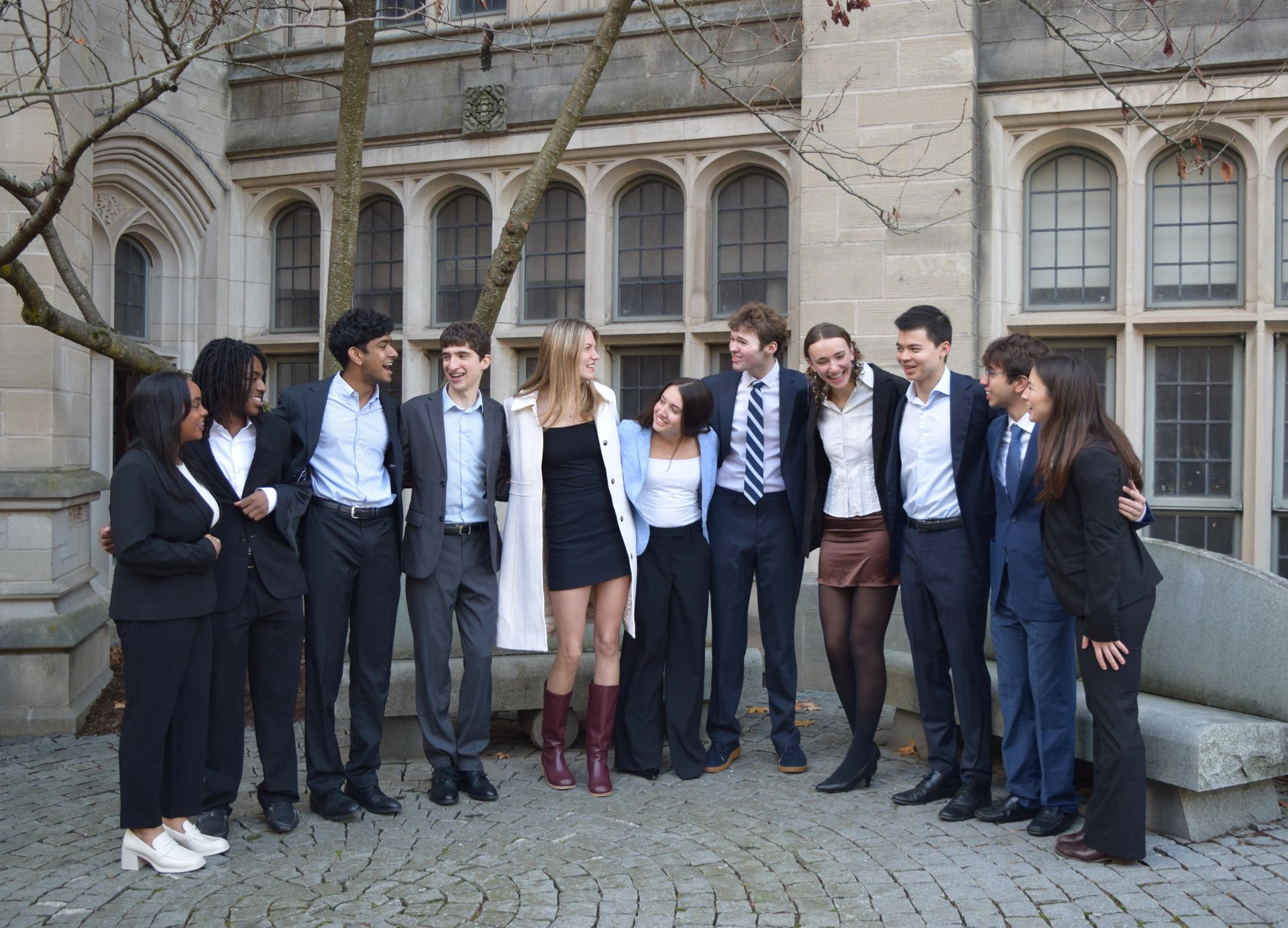
We are the Yale College Democrats
Yale College's Largest Partisan Organization
OUR MISSION:
We are intentional advocates for progressive change in New Haven, in Connecticut, and across the country.
We support candidates and causes that advance equal justice, human dignity, and the empowerment of historically marginalized communities.
We strive to be a diverse and inclusive group of students who welcome individuals from all backgrounds.
We recognize the long-standing and pre-existing efforts led by students, organizers, and advocates toward this mission.
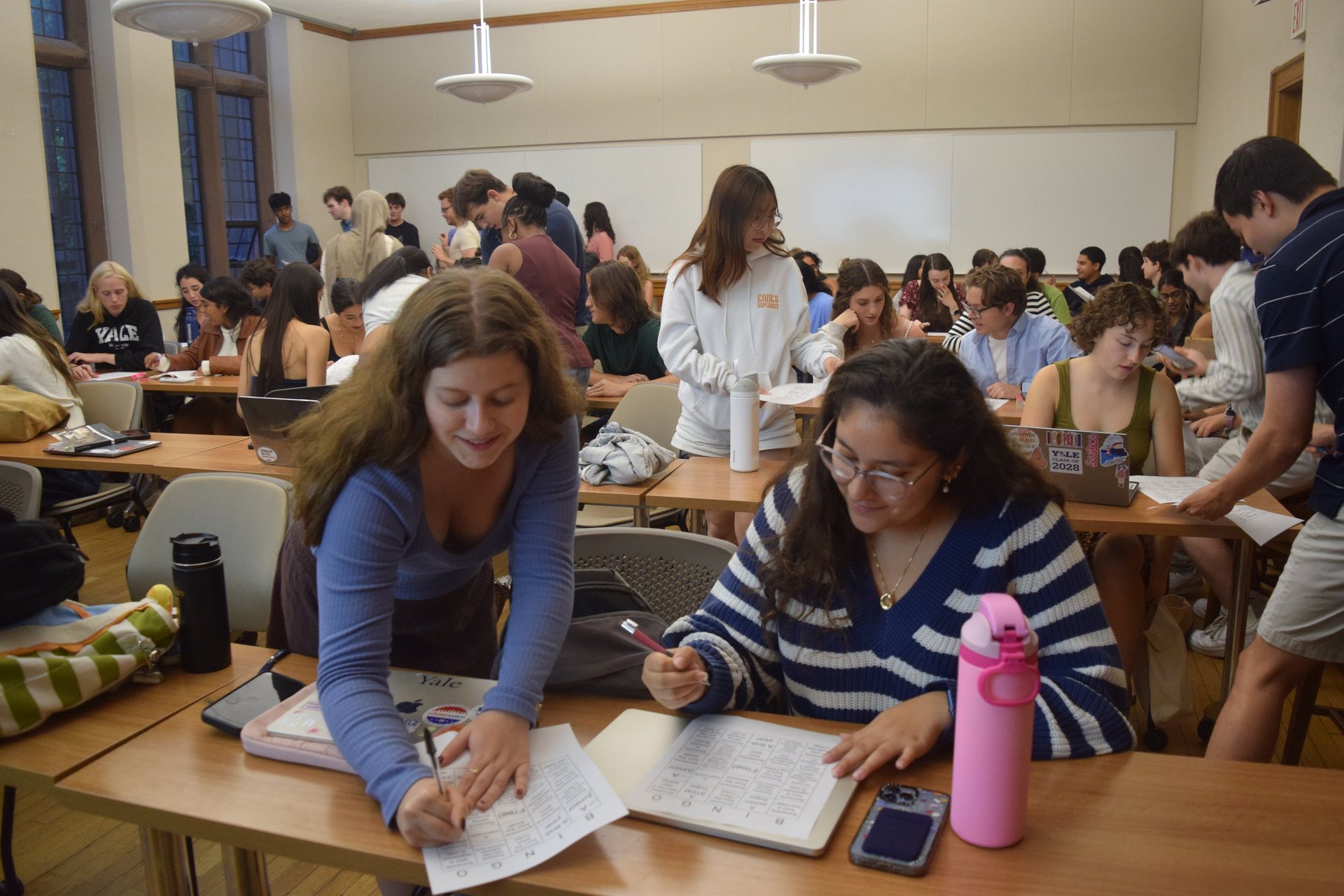
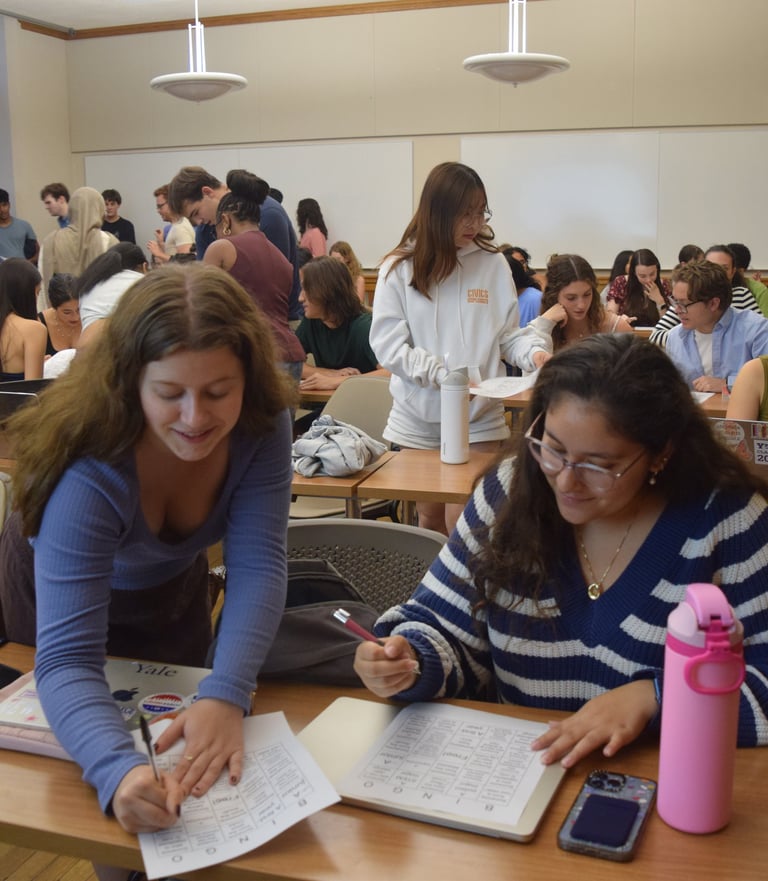
OUR RESULTS:
Join us in advocating for progressive change and making a difference in our communities.
500+ Voters Reached
Our Voter Engagement Fellows helped establish Yale’s strongest voter engagement infrastructure yet through our pledge-to-engage form, sending over 26,000 emails and holding several voter registration events on Cross Campus.
500+ Work Hours
Elections Fellows served as remote interns for some of the most competitive campaigns in the nation and worked as grassroots activists, contributing over 500 work hours to 11 partner campaigns and grassroots organizations mobilizing marginalized communities in some of the country's toughest battleground states.
90 fellows
Our work doesn’t stop when we win elections. This spring, 90 Dems fellows have signed up to work tirelessly with community partners across our four branches to achieve progressive wins through legislative advocacy, voter advocacy, elections, and city engagement.
16 bills
Yale Legislative Fellows worked on bills on criminal justice, education, housing, sustainability, and more in the Connecticut General Assembly—and 16 of their bills passed both the House and Senate in 2022. Together, Dems gave public comments at 25 public hearings and wrote 350+ pieces of testimony.
Our Branches
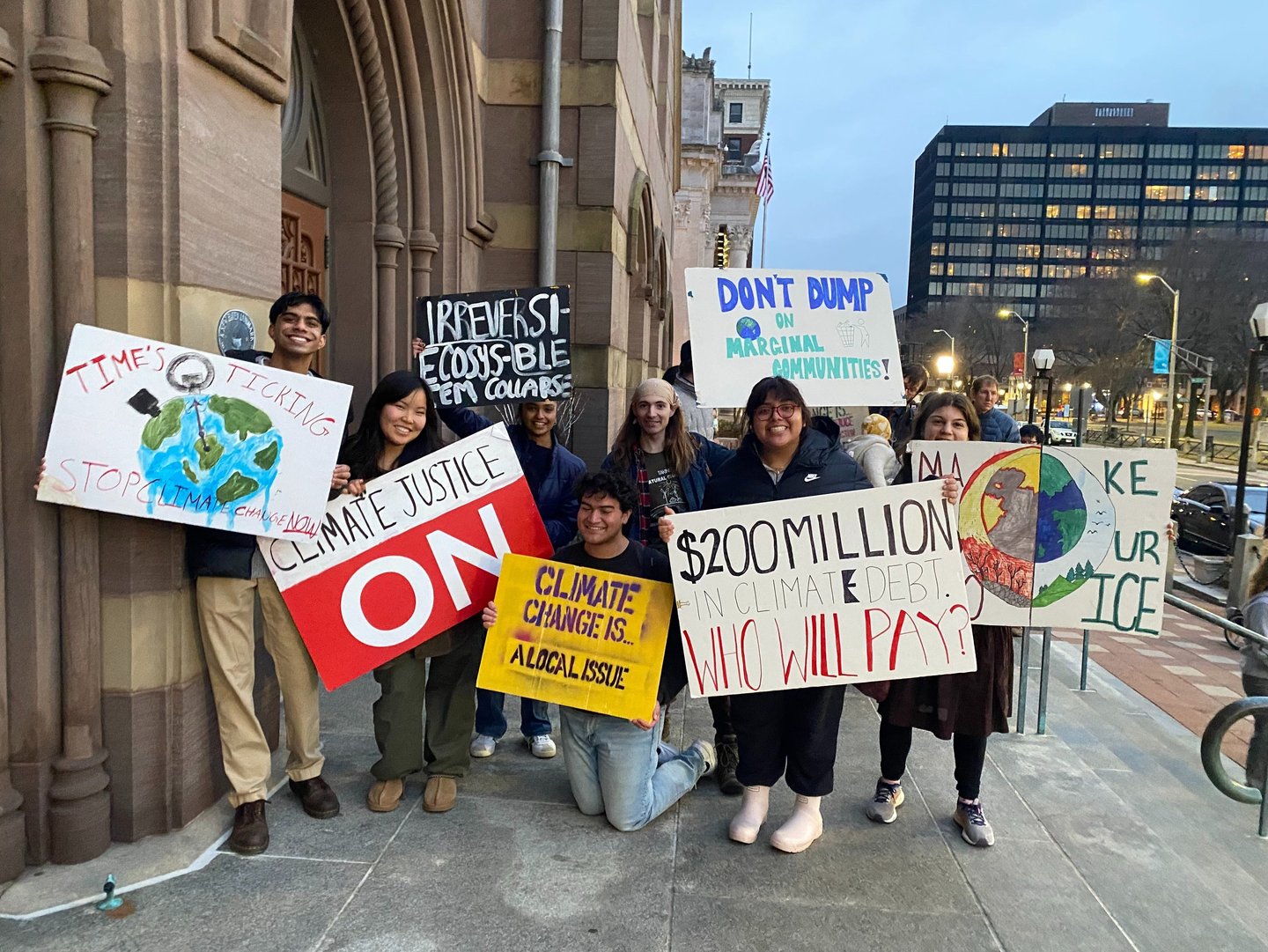
City Engagement
The City Engagement team partners with New Haven officials, non-profit organizations, and community organizers to support ongoing efforts and sustainable progressive change in the city of New Haven.
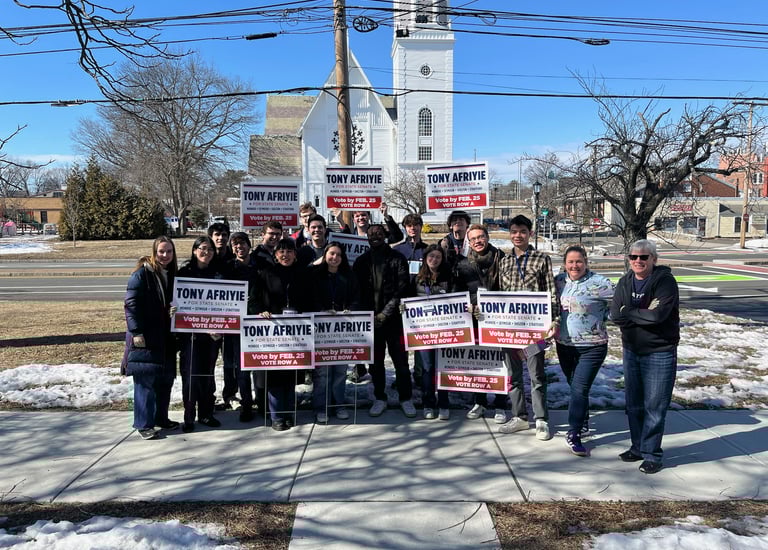
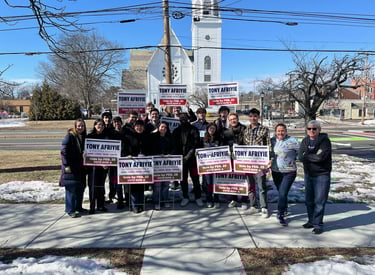
Elections
The Elections Branch of the Yale College Democrats is committed to working on local, state-wide, and national elections for candidates in general elections or uncontested primaries who we believe align with our organization’s progressive values.
CONTACT: maya.koerber-marx@yale.edu
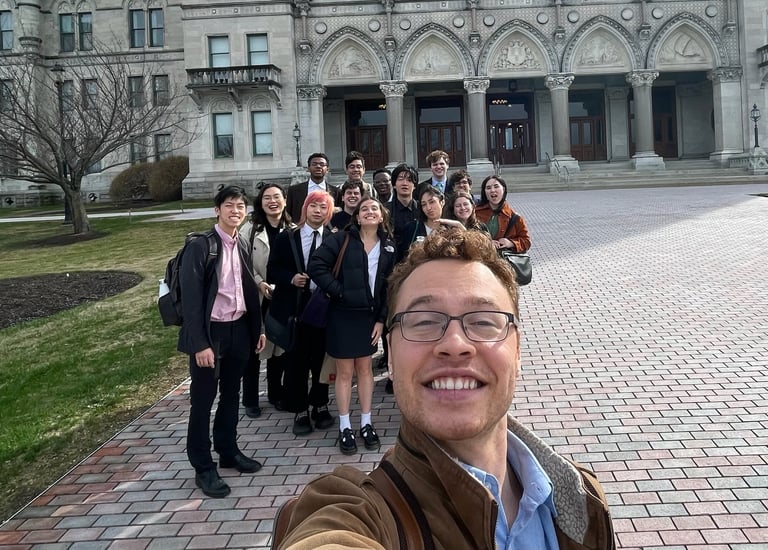
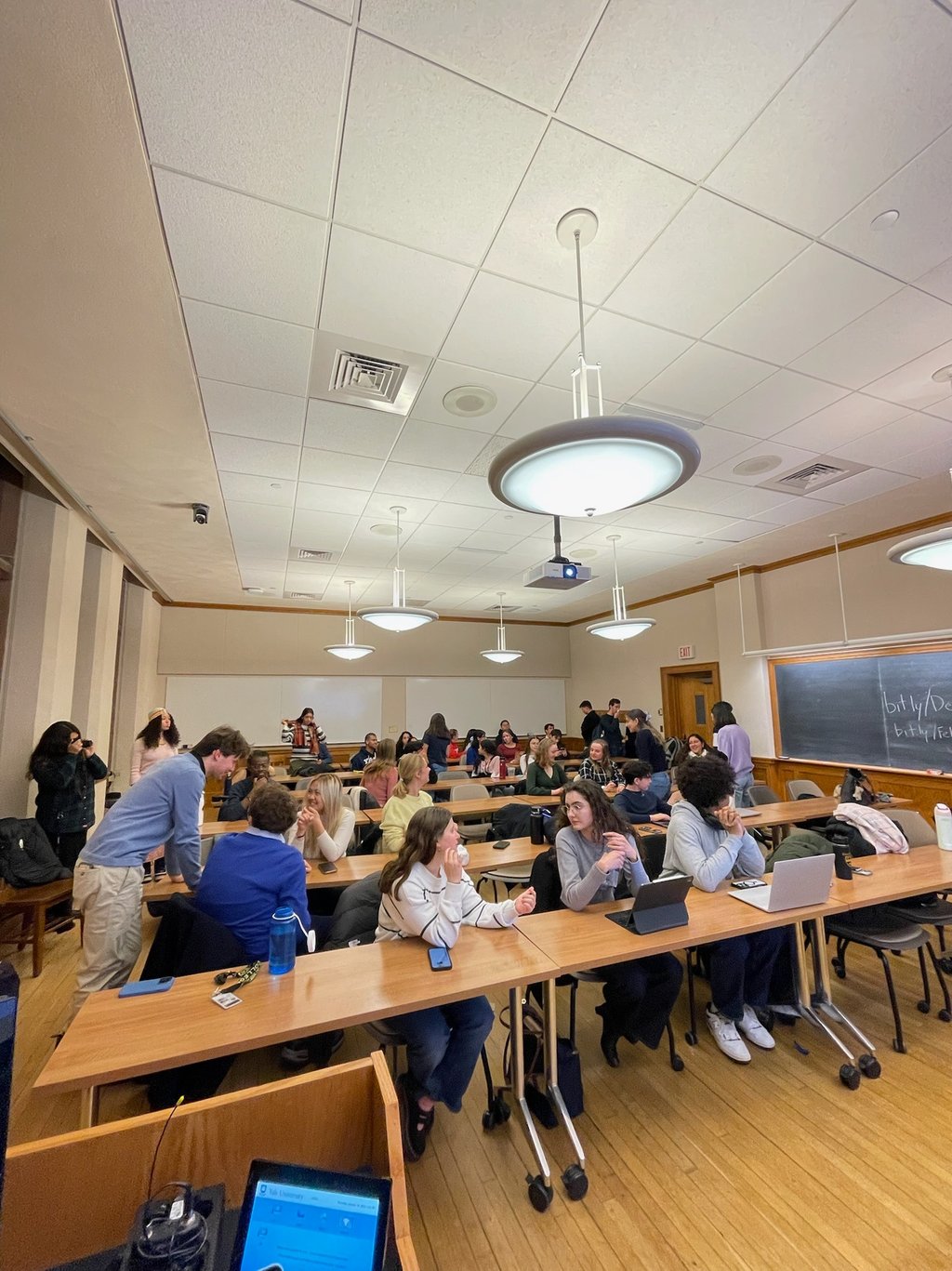
Legislative Advocacy
The Legislative Team researches, proposes, and advocates for progressive state legislation that represents our generation’s commitments to equity, justice, and inclusivity.
CONTACT: anthony.dominguez@yale.edu
Voter Advocacy
The Voter Advocacy Team seeks to support New Haven’s voter engagement efforts, promote partisan voter engagement on Yale’s campus, and collaborate with outside organizations that spread civic education and fight for voting rights across the nation.
CONTACT: izayah.ringfield@yale.edu
→
Learn More About Dems
If your organization, campaign, or governmental office could use an extra set of hands, reach out to us. We’d love to work with you and see if Dems can support your mission.
Yale Dems come from across the country with so many stories to tell. If you’re writing about the future of the Democratic party, young people in politics, or just want to talk to a hopeful young person, please reach out.
Consider making a donation to our Dems Fund, or Bulldog Democrats PAC, our Federal PAC, to continue our work and mission.
Press
Donate
Work With Us
Get to know our leadership and our hopes for the coming year. Dems come from every major, every college, and every side of Yale. Learn more below.